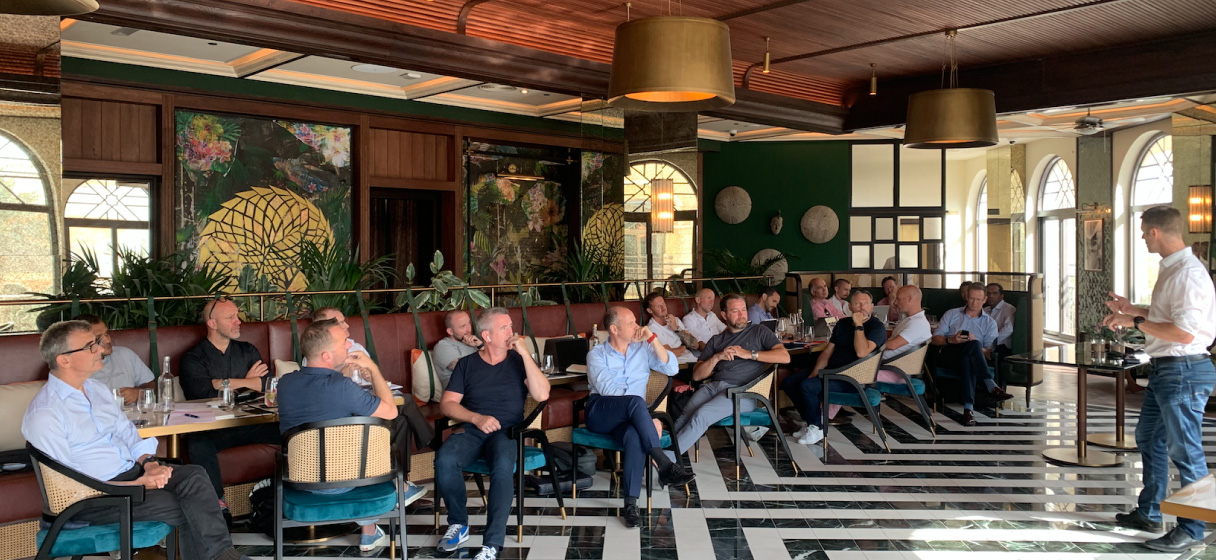
Knowledge gives trainers a foundation, but practical experience helps them deliver lessons effectively. Speaking before a group, explaining complex ideas, and managing discussions all require regular rehearsal. Practice sessions help aspiring instructors recognize mistakes and improve their teaching techniques.
By taking leadership courses in Dubai, professionals also build communication and people-management skills that support effective training delivery.
Preparing future leaders early
CEOs understand that promoting a skilled employee does not automatically produce an effective leader. Department heads manage deadlines, resolve disagreements, allocate resources, and guide team performance. Leadership training introduces these responsibilities before major decisions put business operations at risk.
Participants learn to assess situations, set priorities, and lead colleagues with greater confidence. Early preparation also helps companies develop internal talent instead of relying entirely on external recruitment.
Improving decision making
Department heads face decisions that influence budgets, productivity, customer relationships, and staff morale. CEOs encourage leadership education because it helps managers examine facts, compare options, and assess potential consequences. Training sessions use realistic business scenarios to develop analytical thinking and sound judgment.
Managers also practise responding to unexpected challenges without rushing into costly choices. These skills support consistent decisions across departments and help senior executives maintain clear business objectives.
Strengthening communication across teams
Poor communication leads to confusion, missed deadlines, and unnecessary workplace conflict. Leadership courses teach department heads to explain expectations, provide useful feedback, listen actively, and address disagreements professionally. These abilities help managers build trust with employees and maintain productive relationships with other departments.
CEOs value leaders who communicate clearly during routine operations and demanding situations. Better communication also encourages accountability because every team member understands individual duties and shared targets.
Building accountability and ownership
Top executives expect department heads to accept responsibility for results rather than blame circumstances or colleagues. Leadership training introduces practical methods to set measurable goals, monitor progress, and address performance gaps.
Managers learn to recognise their mistakes, discuss solutions openly, and support employees through difficult assignments. This mindset strengthens workplace discipline and encourages teams to focus on outcomes.
Supporting long term business growth
Companies require a reliable leadership pipeline to manage expansion, staff changes, and new market opportunities. CEOs use leadership development to prepare department heads for broader responsibilities and future executive positions.
Training helps managers recognise employee potential, delegate tasks effectively, and align departmental targets with company strategy. These capabilities support smoother succession planning and reduce disruption when senior roles become vacant.